MONSTER


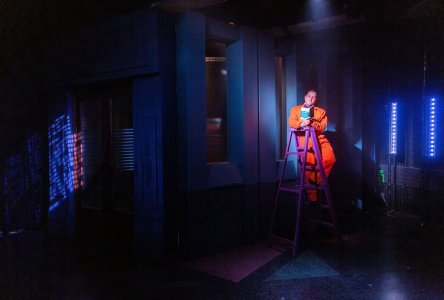
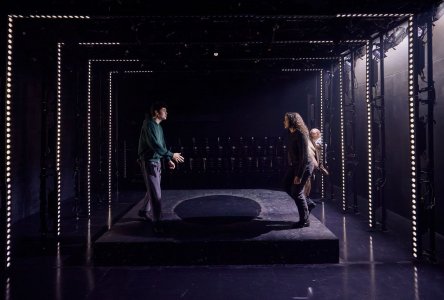
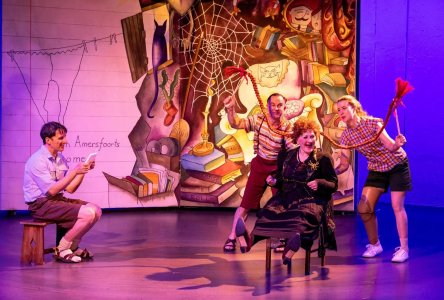
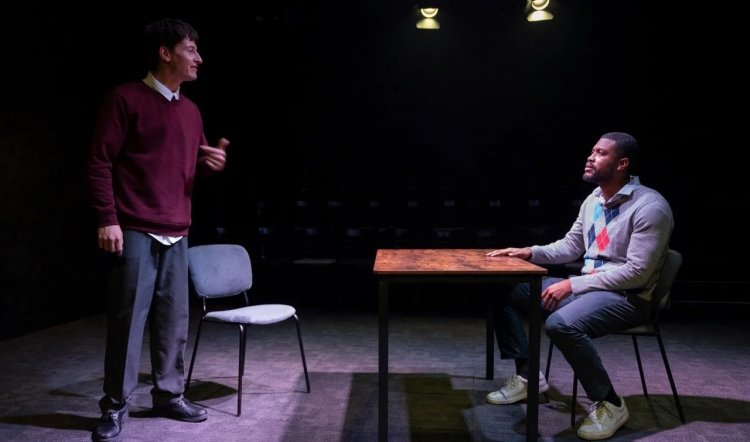
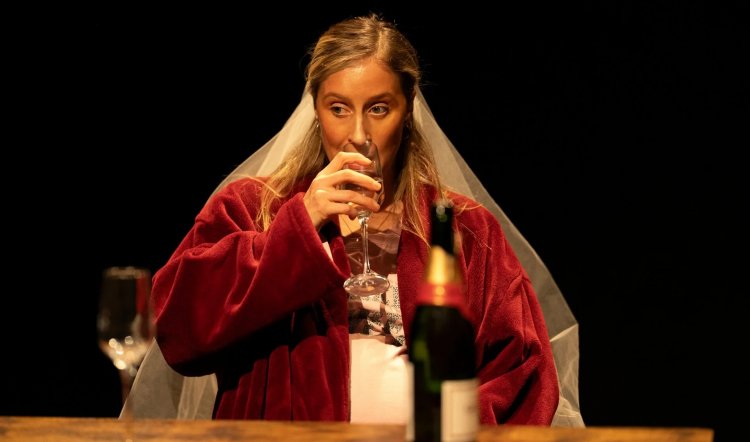
MONSTER, Tiny Dog Productions in association with bAKEHOUSE Theatre Co at KXT on Broadway, 11-21 March 2026. Photography by Abraham De Souza: above - Campbell Parsons and Tony J Black; below - Linda Nicholls-Gidley; below again - Romney Hamilton
When Duncan Macmillan’s 100-minute shocker was first staged in the UK, The Guardian’s reviewer commented that the play “tests your liberal instincts to the limits”. And that’s true. It also eschews the obvious. It disallows easy answers – any answers – but it does offer some hard questions.
Monster begins within recognisable conventions: a delinquent 14-year-old, Darryl (Campbell Parsons), has been excluded from his school’s classrooms for extreme disruptive behaviour. He’s been assigned a solo teacher, Tom (Tony J Black), to guide and coach him through sessions aimed at bringing him back from the brink of expulsion.
Unfortunately, Tom is a temporary supply teacher and also a late-onset recruit to the profession, having flamed out of a high-stress city job. Quite why he ever thought teaching would be less stressful is one question that’s not on the agenda. Young Darryl sees through him with alarming acuity, immediately dubbing him “Agency” and showing as much respect as that implies.
From the moment he appears, simply clad in grey trousers, white shirt hanging beneath a maroon jumper, this schoolboy exudes barely suppressed rage-filled energy. His contempt for Tom and everything he represents is palpable, and Tom is helpless to ride out the waves of loathing that overwhelm him, armed as he is with platitudes and cliches. Any authority he might have is demolished in an instant by the boy. And at this point, it’s difficult not to sympathise with Darryl as he semi-listens to Tom’s puerile efforts at discipline and enticement. (If Darryl puts in good work for ten minutes, he’ll get a gold sticker. Really?!)
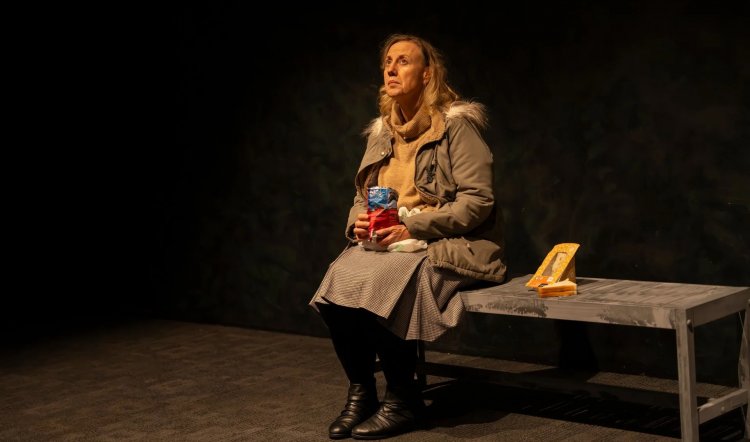
Parsons, by the way, is a recent WAAPA graduate and has to be bound for stardom. His super-intelligent physical portrayal of the lost boy is electrifying, while the extra vocal layer of London chav never slips and adds to the menace. (Vocal coach Linda Nicholls-Gidley, who also makes a telling appearance as Darryl’s grandmother, by turns intimidating and heartrending.)
As Tom and Darryl face off across the table and Darryl does everything irritating that can be done on a school chair, snippets of information are dropped into the social maelstrom and reveal why each is at this impasse. Who and what bear responsibility for the plight of man and boy? And, as Tom’s wife Jodi asks, why are they in this predicament? Why must Tom devote his every waking hour to the hopeless cause? And is Darryl truly hopeless? The closing moments deliver a wildly un-PC answer to that question.
As Jodi, Romney Hamilton has the unenviable task of at first being a sweetly supportive wife, then, as the unthinkable happens, and Grandma’s missing kitchen knife appears like Chekhov’s pistol, she pivots not once but twice in emotional tours de force. All the while carrying the physical burden of pregnancy. Amazing.
Kim Hardwick directs Monster. Her finesse and deep understanding of the characters and their situations bring out the piece's depth and avoid the pitfalls of melodrama or the obvious. Also, on opening night, she had the extra charge (as did the company) of supporting Tony J Black as he stepped into the critical role of Tom at short notice.
With script in hand, Black did a tremendous job and rarely faltered. As his constant sparring partner, Parsons sailed through with similar fortitude and chutzpah. The result was remarkable and will only become better. Another amazing.
The creative team also add to the overall excellence of the production: Charlotte Leamon’s sound design – clever and deeply atmospheric; Topaz Marley-Cole’s lighting design, shaping and colouring Victor Kalka’s minimal set design of table, two chairs and a charcoal black abyss. A satisfying audience experience.
Monster isn’t easy to watch, but it’s as riveting as anything you’re likely to see this or any other year. Rarely does a full auditorium stay bone silent through 100 non-stop minutes. Those minutes overflowing with contemporary thought about young men, boys and the society that spawned them and has to live with the violence and misery they suffer and suffer on others.
Whatever you think at 7.30pm will not be the same as the thoughts you later walk out with. It’s the first time I can recall being utterly terrified in a theatre, and heading for the bar with every muscle and sinew on high alert. See it.